
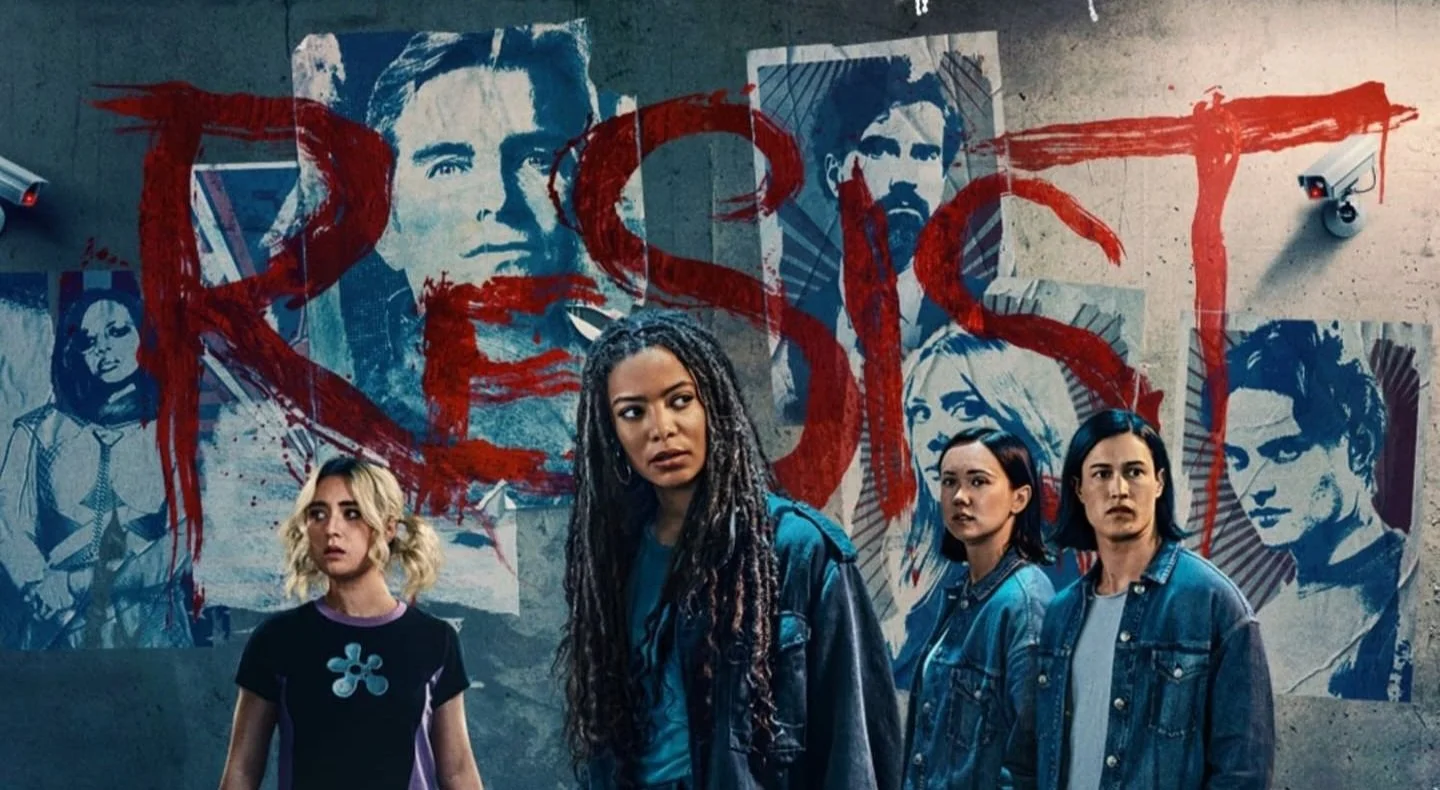
For years, shows like The Boys and its spin-off Gen V have cornered the market on savage political parody. The formula was simple: take the worst elements of real-world politics, corporate greed, and celebrity culture, then turn the dial up to 11.
The resulting absurdity was both shocking and funny—a grotesque exaggeration that let us laugh at the madness. But as I watched the first three episodes of Gen V Season 2, something dark shifted. The humor is gone. The exaggerated malice, the weaponized propaganda, the manufactured division, and the frankly cartoonish way we speak to and about each other—it's no longer an over-the-top joke. Our reality has become the parody.
As Black Mirror creator Charlie Brooker once lamented, the world had become so bleak, so dystopian, that he struggled to parody it on his own show. The new season of Gen V illustrates this perfectly. It doesn't feel like a satire of our current political climate; it feels like a documentary filmed through a Compound V lens.
Manufacturing Outrage: The Weaponization of Victimhood
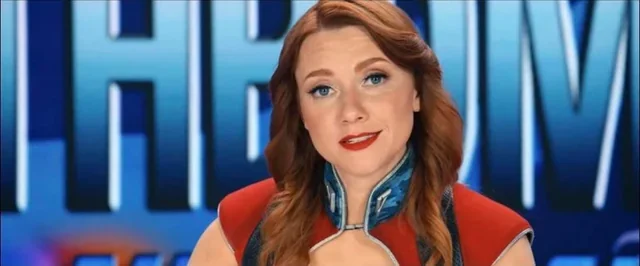
The show wastes no time demonstrating how institutions co-opt a narrative for political gain. After Jordan Li violently attacks Cate Dunlap, leaving her in a coma, Vought and the new Dean Cipher immediately frame the incident as a "hate crime" against Supes to stir up their political base. This manufactured outrage is then used to vilify Jordan and the other students even when the truth is nuanced.
This is a direct lift from the modern political playbook. We see powerful figures, from pundits like Charlie Kirk’s widow using grief to fuel political division to actual politicians vowing violent retribution, instantly seize on an event to mobilize their base, demonize their opponents (the "other"), and escalate culture wars. The goal is never justice; it’s division and anger designed to consolidate power.
The Performative Prison: When Truth is a Threat
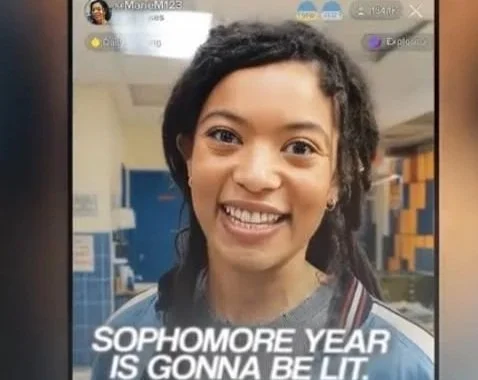
After their involvement in the Godolkin massacre, Marie Moreau, Emma Meyer, and Jordan are blackmailed into a public-facing return to God U. Marie, specifically, is forced to record a stilted, scripted social media post, praising the school and pretending her imprisonment was a "mental health break."
She’s terrified to speak the truth, that she was jailed and the institution is corrupt, because the retribution from the politically powerful Godolkin and Vought would destroy her career. This plot point captures the chilling rise of performative activism and the very real fear of 'cancellation' in our online world. Many people in public-facing roles, from late-night hosts losing their jobs for possibly saying the wrong thing to corporate employees, often feel they must publicly toe a specific, institutional line in fear of losing their careers.
Marie’s forced apology reflects the countless scripted, inauthentic "statements of solidarity" we see online, crafted to appease an audience or employer rather than speak a genuine truth. The freedom to be an unvarnished speaker is a luxury only the already-powerful can afford.
From Students to Soldiers: The Cult of the "Other"
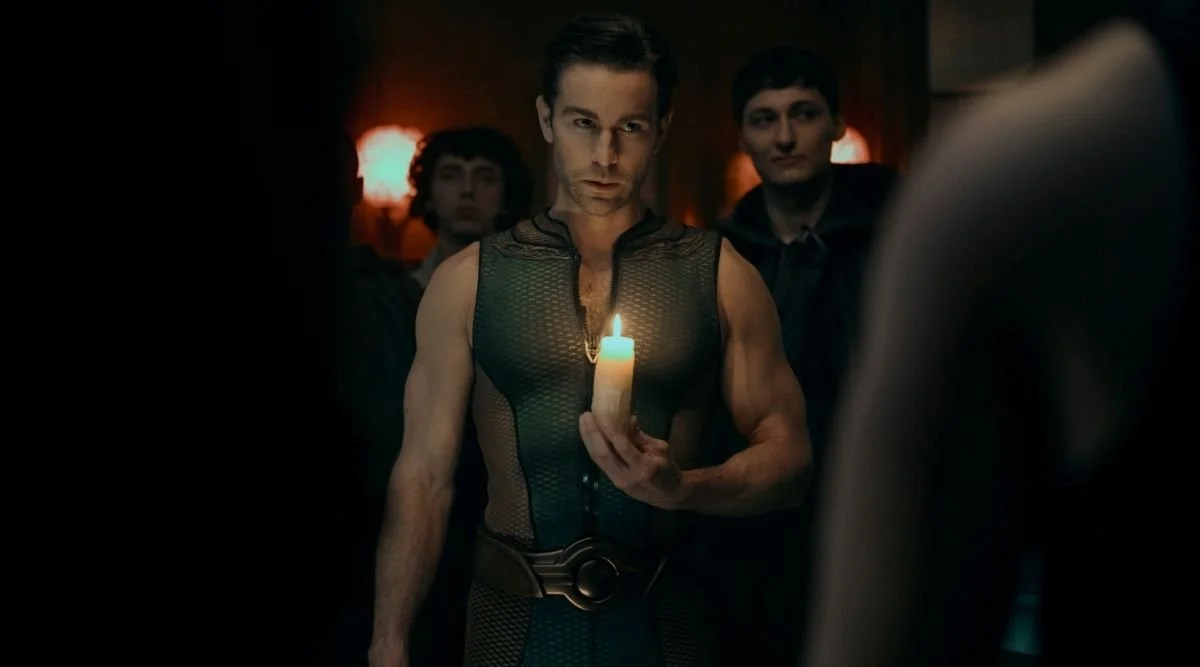
The show is further peppered with scenes that have transitioned from sharp satire to depressing familiarity, particularly the organized movements based on hatred and fear. When Marie is on the run, she encounters a clash between "Starlighters" (protesters supporting the progressive former Supe Starlight) and supporters who declare it "Homelander Country." This immediate, tribalistic, and racially coded stand-off perfectly mirrors the polarized, zero-sum confrontations that have become commonplace in the U.S.
Adding to this environment of manufactured hatred is the emergence of figures like The Deep's cult, which appears to be explicitly rooted in racist and white supremacist ideology, masquerading as a self-help or separatist movement. This perfectly reflects how modern hate groups hide behind vague ideological banners and wellness culture to recruit and organize. Furthermore, the students are required to take classes from the "tradsupe" figure.
This character is essentially a supe influencer who trains students to use their platforms to stoke fear against humans and other marginalized groups, explicitly leveraging social media for hate-filled propaganda. Dean Cipher explicitly tells the students they are no longer students, but "soldiers" in an impending war against humanity. This military rhetoric, forcing young people into conflict for ideological reasons, echoes the constant escalation of political and ideological "warfare" in our public discourse. The enemy is no longer a political opponent; they are simply "the other" that must be defeated.
The Bleak Inheritance of Parody
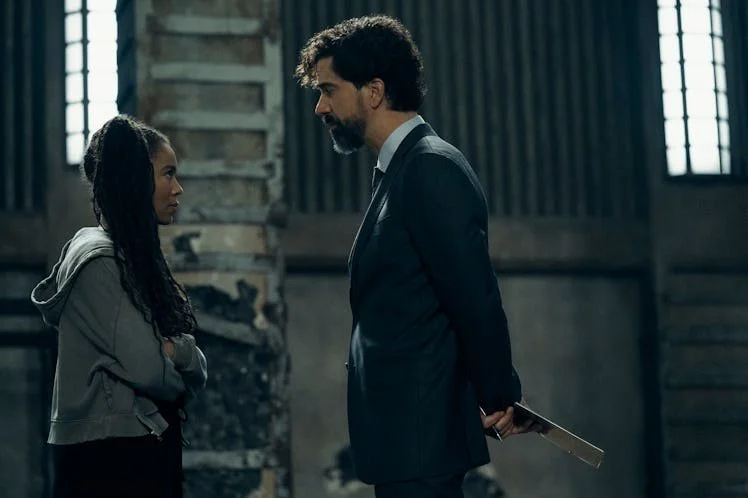
It’s this complete loss of comedic distance that makes Gen V Season 2 so unsettling. It makes you think about movies like V for Vendetta. When that film came out in 2005, its depiction of a fascist, surveillance-state Britain was shocking a powerful exaggeration of political trends. If it were released today, many would call it "too on the nose" because so many of its dystopian elements state-sanctioned lies, manipulation of fear, and a terrifying 'othering' of dissenters feel like a one-to-one adaptation of our present reality.
The problem with satire today isn't that the writers of Gen V aren't funny or smart enough; it's that reality keeps beating them to the punch. The line between what is a joke and what is a headline has vanished. When life becomes the most cartoonish, bleak, and morally absent version of itself, the last remaining joke is, tragically, on us.